
Carbon Monoxide (CO)
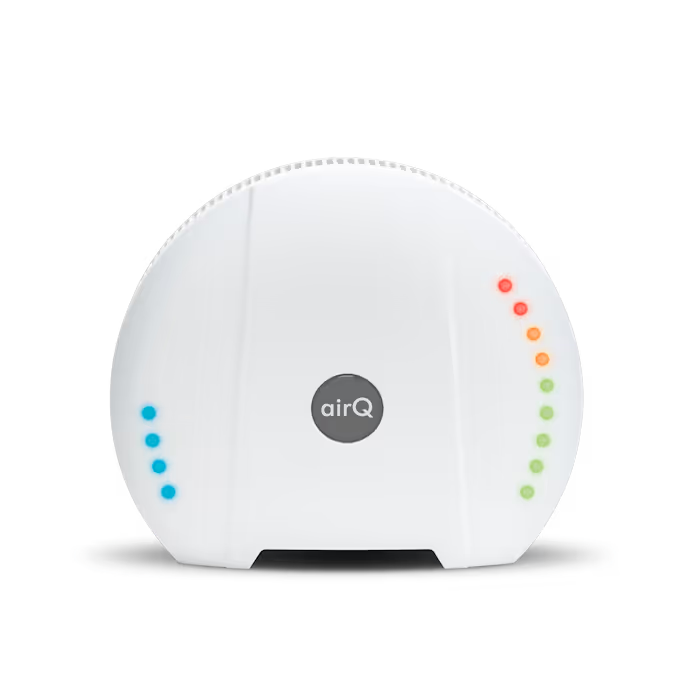
air-Qs with a sensor for Carbon Monoxide




Description:
Carbon monoxide (CO) refers to a simple inorganic compound of carbon and oxygen. It is a colorless, odorless and tasteless gas. With oxygen it burns with a blue, transparent flame to form carbon dioxide. The gas is a dangerous respiratory poison. If it enters the bloodstream, for example through smoking tobacco, carbon monoxide binds to the hemoglobin in the blood approximately 210 times more strongly than oxygen. This can permanently impair oxygen transport and cause fatal carbon monoxide poisoning. Even a saturation of 1.28% carbon monoxide in indoor air leads to death within one to two minutes. Carbon monoxide is somewhat lighter than air and tends to rise, but due to air turbulence it can be found anywhere in a room.
In industry, pure carbon monoxide is used to produce formic acid and sodium formate. It is also used to convert chlorine into phosgene and methanol into acetic acid. In addition, it serves as a reducing agent for iron ore.
Limit values for carbon monoxide:
The normal concentration of CO in the air is approximately 0.6 to 6 mg/m³. In unventilated rooms with gas burners, fireplaces or from cigarette smoke, 30 mg/m³ can easily be reached.
According to the German Federal Environment Agency, the highest 8-hour average value must not exceed approximately 10 mg/m³. The maximum workplace concentration (MAK value) for carbon monoxide is given as 35 mg/m³. The WHO recommends values above 25 mg/m³ for a maximum of one hour, and values up to 85 mg/m³ for a maximum of 15 minutes. These values do not apply to pregnant women or people with pre-existing conditions.
Designation | Carbon monoxide limit values |
UBA 24h guideline value | 4 mg/m³ (3.2 ppm) |
UBA 8h guideline value | 10 mg/m³ (8 ppm) |
WHO recommendation 1h value | 25 mg/m³ (20 ppm) |
MAK value | 35 mg/m³ (28 ppm) |
UBA guideline value 15 min | 100 mg/m³ (80 ppm) |
WHO recommendation 15 min value | 85 mg/m³ (68 ppm) |
Effects of excessive CO concentration:
A continuous eight-hour exposure at a CO concentration below 60 mg/m³ is barely dangerous for healthy adults. However, sick and pre-affected individuals can experience impairments even at low values. For example, hearing loss can be worsened by up to 50% by carbon monoxide.
Even at a relatively low exposure to carbon monoxide of between 80 and 120 mg/m³ over several hours, initial physical impairments can be observed. These mainly include cold-like symptoms, such as a runny nose, headaches, shortness of breath and sore eyes.
If the CO concentration rises to values between 170 and 350 mg/m³, fatigue, dizziness and nausea occur after two to three hours. From a value of 460 mg/m³, exposure is considered extreme and immediately life-threatening. Unconsciousness and permanent brain damage are imminent. After three hours at the latest, such a concentration can lead to death. At even higher values, death occurs even sooner. After carbon monoxide poisoning, it is not enough to simply breathe fresh air to compensate for the oxygen deficiency in the blood. Compensating for the oxygen deficiency in the blood and the body's regeneration can only happen by supplying a disproportionately large amount of oxygen.
Formation of CO:
Indoors, the carbon monoxide content of the air generally enters through ventilation - the main source in residential areas is road traffic. Concentrations of over 5 mg/m³ can prevail, depending on the proximity of the location to traffic. But leaky or malfunctioning fireplaces and stoves, gas stoves and propane-powered heaters also emit CO and increase the concentration. In addition, burning wood, wood pellets or charcoal leads to elevated carbon monoxide levels. If ventilation in the room then does not function correctly, CO poisoning can occur. More on this in the linked blog post.
Sensor used:
Carbon monoxide is measured by means of an electrochemical sensor. CO molecules that "dock" onto the surface of the sensor cause a small current in the sensor. The advantage of our sensor is the individual sensitivity calibration by the manufacturer and its particularly long service life. The disadvantage of electrochemical CO sensors is slight cross-sensitivities.
The sensor we use has a slight cross-sensitivity to hydrogen (H2). It accordingly reacts somewhat to this gas and then shows a reading, even if no CO is present.
Measuring carbon monoxide:
The air-Q air quality measuring device and carbon monoxide detector is a particularly powerful and comprehensive measuring device. Many facts about the technology behind the air-Q can be found here. You can order the air-Q in the online shop.
Frequently asked questions about carbon monoxide poisoning
How can you protect yourself from carbon monoxide poisoning?
To protect yourself from carbon monoxide poisoning, you should install an air measuring device such as the air-Q to monitor the CO content, identify potential sources and set an alarm if the limit values are exceeded, for example. Heating systems, fireplaces etc. should also be serviced regularly. In particular, rooms with open fires or gas appliances should be adequately ventilated. In general, open flames should be avoided in closed rooms. In addition, cars should not be left running in closed garages, as CO can also accumulate when the garage door is open. If a CO leak is suspected, it is important to ventilate immediately, leave the building and call the emergency services.
How does carbon monoxide poisoning occur?
Carbon monoxide poisoning is caused by the inhalation of carbon monoxide (CO), a colorless and odorless gas produced by the incomplete combustion of carbon-containing substances (wood, gas, oil, coal). The main causes are usually defective or improperly maintained heaters, fireplaces or gas stoves, poor ventilation in open fireplaces, exhaust fumes from cars in closed garages, the use of barbecues, gas stoves or radiant heaters indoors.
What happens during carbon monoxide poisoning?
Carbon monoxide is a colorless, odorless and tasteless respiratory poison that is very dangerous if inhaled. CO enters the bloodstream via the lungs, where it adheres to the red blood cells, which are responsible for absorbing oxygen, among other things. As a result, the blood cells can no longer absorb enough oxygen. This leads to a lack of oxygen in the organs and you can suffocate within a very short time.
How do I notice carbon monoxide poisoning?
Carbon monoxide causes various symptoms, such as headaches, dizziness, or feelings of sickness. When too much CO is ingested over a long period of time, carbon monoxide poisoning leads to death by asphyxiation. Especially during sleep, this smoke poisoning often goes unnoticed and leads to death during the night's rest.
Symptoms, causes and first aid in detail: our article on carbon monoxide poisoning.
Articles about Carbon Monoxide
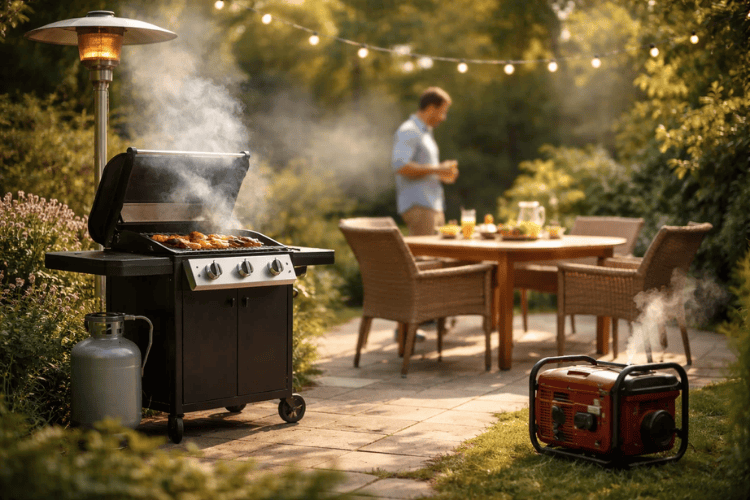
Poisoning Risk: Three Carbon Monoxide Sources Especially in Summer
Carbon monoxide is a highly toxic gas produced, for example, during combustion processes like in stoves and fireplaces. However, there are also carbon monoxide sources in summer that can become dangerous and pose a risk to people indoors.
Learn more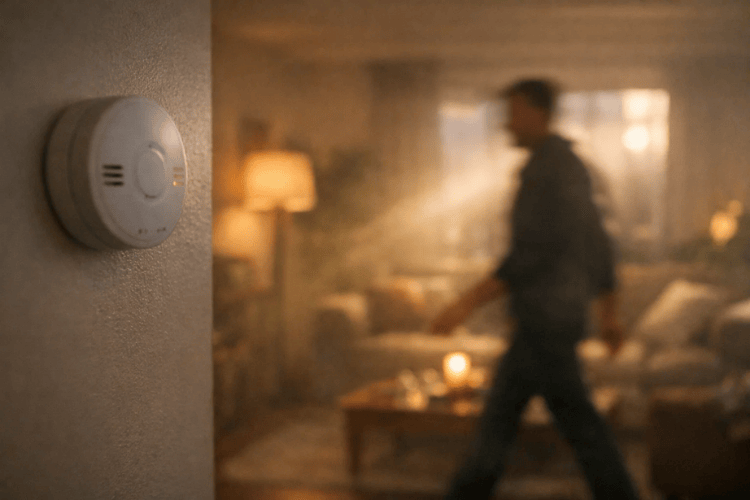
Carbon Monoxide Poisoning: How Can I Minimize the Risk?
Carbon monoxide is a tricky gas because it's colorless and odorless. The trend toward wood stoves and heavily insulated homes increases the risk of carbon monoxide poisoning. This article covers causes, symptoms, and treatment — and introduces the air-Q CO detector and air analyzer.
Learn more
Carbon Monoxide Poisoning: How the air-Q Can Be a Lifesaver
In everyday life, we're often unknowingly exposed to hazards that harm our health. One of these invisible hazards is carbon monoxide. In many households, this danger goes undetected until it's too late. But how can we protect ourselves and our loved ones? We take a closer look.
Learn more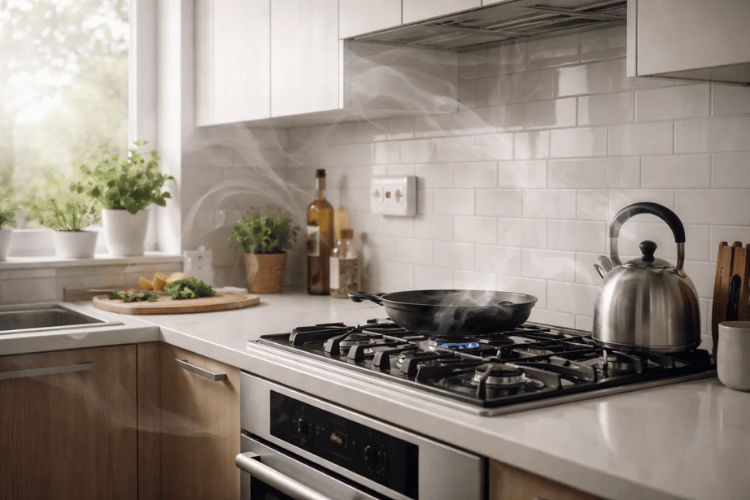
CO Detector: Protection From an Invisible Danger in Your Home
CO is odorless, invisible, and extremely dangerous. With a CO detector like the air-Q, you detect the danger in time, protect your family, and always keep an eye on the air quality in your home.
Learn more
Carbon Monoxide Risk From Pellet Storage?
Heating with pellets is modern and a good alternative to oil. But be careful: the wood pellets can produce an odorless, non-irritating, and thus undetectable, yet deadly gas — carbon monoxide. Anyone who inhales too much of it risks fatal poisoning. Our article shows how to still heat safely with pellets.
Learn more
Wildfire Smoke Indoors: How to Protect Your Indoor Air
Wildfire smoke can bring particulate matter and other pollutants into buildings. Find out how to monitor your indoor air, keep a room as clean as possible and check whether your measures work with the air-Q.
Learn moreCalculators
More measured values / sensors