
Air Temperature (T)
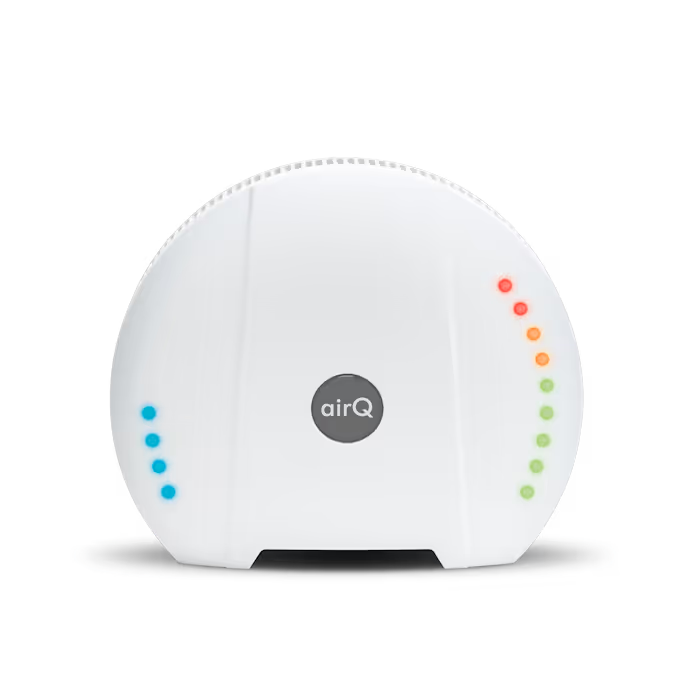
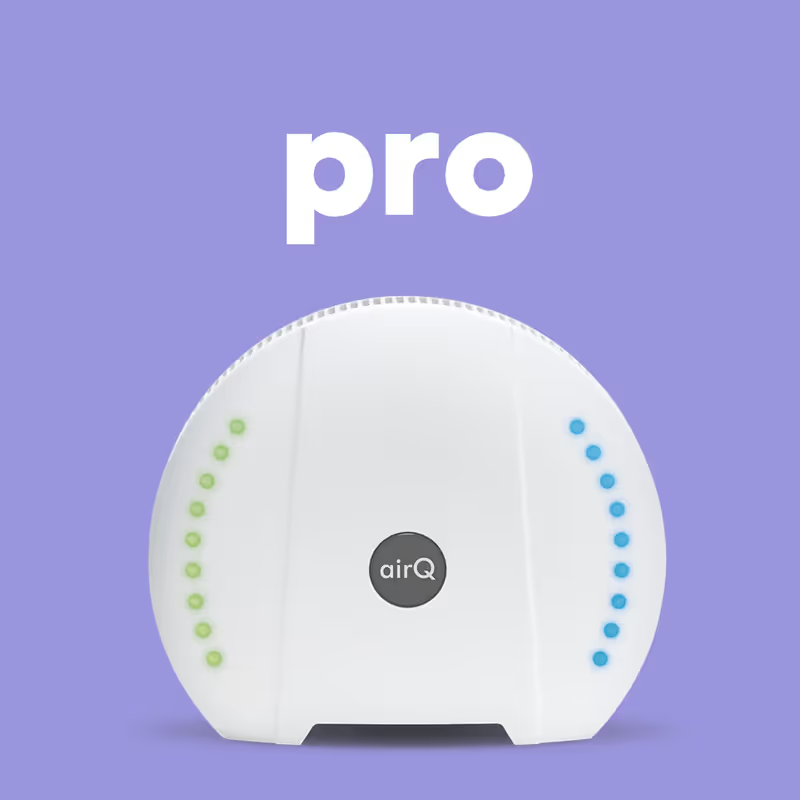
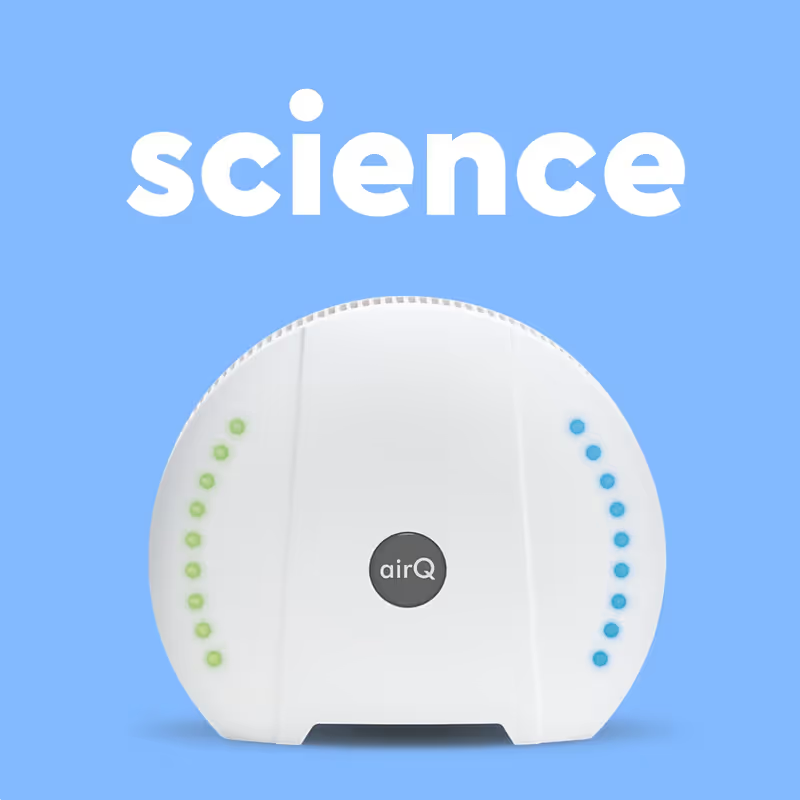
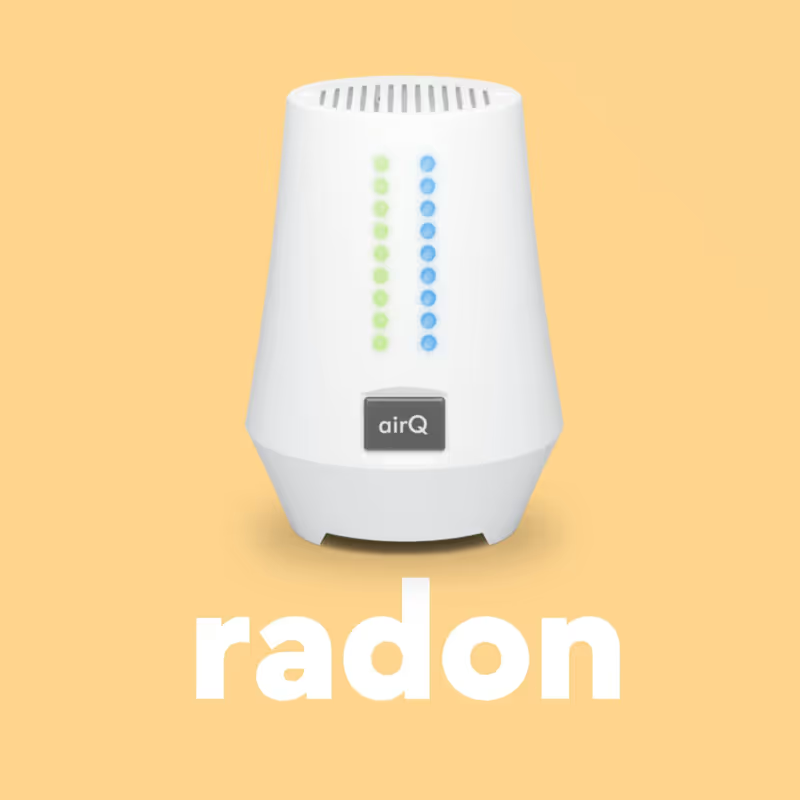
air-Qs with a sensor for Air Temperature
Description:
The perceived temperature plays a major role for humans. This perceived ambient temperature, the room temperature, can differ from the air temperature that an air thermometer would measure. Room temperature refers to the temperature measurable within a room and is made up of the local air temperature and the radiant temperatures of the individual surfaces.
Limit Values for Temperature:
For well-being and thus the prevention of health problems, the Federal Environment Agency recommends specific guide values for room temperature. A distinction is made here between the respective purposes of the rooms.
In living areas, 21 to 23 °C is recommended. For children's rooms and bathrooms, the guide value is 23 °C, in the kitchen 18 to 19 °C, and in the bedroom 16 to 18 °C.
For office spaces, a room temperature between 21 and 22 °C is recommended. The Workplace Directive (ASR) distinguishes the legal recommendation for room temperature according to different activities. The minimum temperature for sedentary and light physical work is 20 °C, and for moderate physical exertion, 19 °C. Moderate physical work while standing requires a room temperature of at least 17 °C, and for heavy physical work while standing, the temperature must not fall below 12 °C. The maximum temperature in workrooms is 26 °C.
Designation | Room Temperature Limit Values |
Federal Environment Agency Recommendation - Living Space | 21 °C to 23 °C |
Federal Environment Agency Recommendation - Offices | 21 °C to 22 °C |
Federal Environment Agency Recommendation - Children's Room | 21 °C to 23 °C |
Federal Environment Agency Recommendation - Bedroom | 16 °C to 18 °C |
Maximum value per Workplace Directive (ASR) - Offices | 26 °C |
Effects of Temperatures That Are Too High or Too Low:
Individual well-being in enclosed spaces depends significantly on temperature and humidity. The decisive factor here is the body's own thermoregulation, which is activated against overheating at high air temperatures and, at low temperatures, attempts to raise body temperature through, for example, shivering. Because thermoregulation is linked to blood circulation, people with circulatory problems can react very strongly to temperature fluctuations.
Besides physical effects, an unpleasant air temperature can also negatively affect mental health and overall reduce performance.
Excessively high temperature can dry out the mucous membranes, increasing the risk of colds. It can also cause fatigue and headaches. Feeling cold at low temperatures leads to a feeling of illness. In both cases, concentration and performance are impaired.
At a temperature between 23 and 28 °C, mental performance also suffers, for example during office work. The common theory here is that this temperature is perceived as too pleasant, leading to excessive relaxation. Even higher temperatures, due to their unpleasantness, lead to increased performance again. People work most effectively when they perceive the temperature as "slightly cool."
Adhering to the recommended guide values can also reduce energy consumption, thereby saving resources and reducing emissions. It can also help counteract the formation of mold.
Background on Perceived Temperature:
Perceived room temperature results from various factors. Even before air temperature, the temperature of the room's wall surfaces is significant. This is because the four walls radiate heat — and this temperature factors into the measurement of room temperature alongside the local air temperature.
The body temperature of people present in the room, and thus the heat transfer between the organism and its surroundings, also influences perceived temperature.
In addition, individual skin characteristics, evaporation via skin and respiration, and humidity all play a role in temperature perception. An additional influence comes from solar radiation and, accordingly, from the absorption and reflection properties of the respective clothing.
Sensor Used:
Temperature is measured in the air-Q by a sensor with very high accuracy. Unfortunately, the air-Q itself heats up somewhat. This self-heating is corrected using mathematical formulas; nevertheless, the air-Q reacts somewhat more sluggishly to temperature changes than a completely exposed temperature probe.
Measuring Air Temperature:
If you want to measure air temperature and analyze indoor air as a whole, then buy the air-Q measuring device for healthy living and working.
Frequently asked questions about measuring temperature
How do you measure the temperature in a room?
With a thermometer or air monitor standing freely in the room: at about 1 to 1.5 m height, not on an exterior wall, not above a radiator and not in the sun. After placing it, the sensor needs a few minutes to take on the room air. A device such as the air-Q measures continuously and shows the course over the day, so you can see draughts, heating up and cooling down.
Is there an online thermometer?
No. A website cannot measure the temperature in your room; that needs a sensor on site. A smartphone only measures its own casing temperature. What works online: viewing the readings of an air monitor such as the air-Q, which transmits the room temperature live to the app and the web app, even when you are away.
How accurate is a temperature measurement?
Good digital sensors reach about ±0.3 to ±0.5 °C; simple room thermometers are often 1 to 2 °C off. Larger than the sensor error is usually the placement error: sun, a radiator or a cold wall distort the value by several degrees. The air-Q shows the temperature with one decimal and as a trend, so such influences become visible immediately.
What distinguishes room temperature from air temperature is explained in our article on measuring temperature.
Frequently asked questions: Air Temperature
How do you measure room temperature correctly?
Place the thermometer or air monitor in the open, 1 to 1.5 m above the floor and away from radiators, windows, outside walls and direct sunlight. There it measures the air temperature that actually surrounds you. After setting it up, wait a few minutes until the sensor has adjusted to its surroundings. To see how the temperature changes over the day, continuous measurement tells you more than a single reading.
Is there an online thermometer for room temperature?
No. A website cannot measure the temperature in your room: online thermometers only show weather data for your location, i.e. the outdoor temperature. To know the room temperature, you need a sensor in the room. The air-Q measures it continuously and shows it live in the app and the web interface, together with humidity, CO₂ and other indoor air readings.
How accurately does the air-Q measure temperature?
The air-Q's temperature sensor measures from −40 to 125 °C with a resolution of 0.1 °C and an accuracy of ± 0.5 °C. It is not subject to wear. For the reading to reflect the room air, the device should not stand in direct sunlight or right next to a heat source.
What room temperature is recommended?
The German Environment Agency recommends 21 to 23 °C in living areas, 23 °C in children's rooms and bathrooms, 18 to 19 °C in the kitchen and 16 to 18 °C in the bedroom. In offices, 21 to 22 °C is considered comfortable. According to the German workplace guideline (ASR), the temperature in work rooms should not exceed 26 °C.
Articles about Air Temperature

What Temperature Is Normal? Optimal Values for Every Room
What temperature is normal? The optimal room temperature affects our well-being, sleep quality, and productivity. But what values are ideal for the bedroom, living room, office, and the whole home? In this article, learn the recommended temperatures for every room and how to ensure a healthy indoor climate.
Learn more
Measuring Temperature: What Distinguishes Room Temperature From Air Temperature
The temperature level in rooms is often simply referred to as temperature. In recommendations for optimal temperatures, for example, it therefore remains vague whether air temperature or the far more meaningful room temperature is meant. Technical devices for monitoring room air are still mostly one-sidedly focused on air temperature today.
Learn more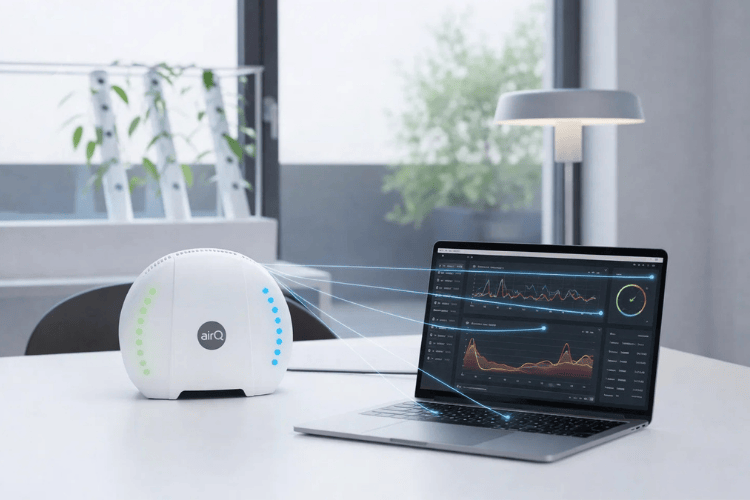
Temperature and Humidity Data Loggers: Why Precise Measurement Is Essential Today
Precise temperature measurement is more than just statistics. Whether for quality assurance in logistics or a healthy indoor climate in the office, a modern temperature and humidity data logger is essential. Find out in our guide what matters when choosing a temperature logger, and how real-time data makes the difference.
Learn more
Humidity in Spring: Why It Still Matters
Especially in spring, humidity often rises unnoticed, which can promote mold formation. This can become a problem especially in the bedroom, living room, and basement. Devices like the air-Q help make relevant values visible and create an ideal indoor climate.
Learn more
Heat Wave in Germany – Does THIS Trick Actually Help?
Many anti-heat tricks are currently circulating online, mostly focused on trying to cool down. We tested a fan tip from the internet and measured whether room air actually cools down. We've also summarized more heat tips at the end of the article.
Learn more
Dew Point in Spring and Summer: Why Ventilating Suddenly Causes Moisture
Moisture indoors is also an issue in spring and summer. The dew point explains why ventilating sometimes brings additional moisture. The air-Q measures temperature and humidity, detects critical conditions, and supports data-based protection against condensation and mold formation.
Learn moreCalculators
More measured values / sensors