
Nitrous Oxide (Dinitrogen Monoxide) (N₂O)
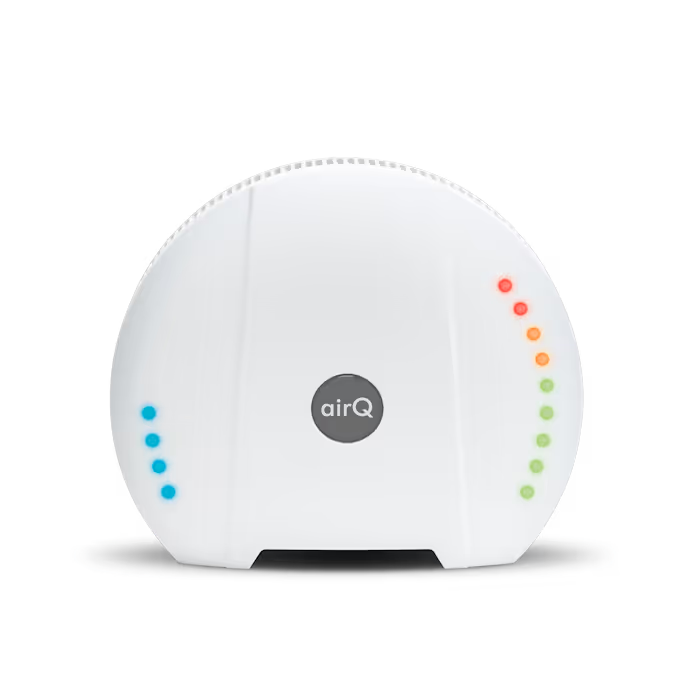
air-Qs with a sensor for Nitrous Oxide

Description:
Nitrous oxide forms naturally through oxidation processes in oceans and soils and is released from there into the atmosphere. It is colorless and tasteless and dissolves well in cold water. It is not itself flammable, but it supports combustion, since it can oxidize other substances.
At a concentration of around 20% in inhaled air, the gas has a pain-relieving effect. Higher concentrations act as an anesthetic. It is therefore used in medicine, among other things, as an anesthetic.
Its name derives from the fact that a patient sedated with nitrous oxide experiences a euphoric state and laughs during it.
Nitrous oxide belongs to the group of nitrogen compounds, which are an essential element for healthy plant growth. For this reason it is used on a large scale in industrial agriculture as a fertilizer. However, this has problematic effects on the environment: due to its long atmospheric lifetime, N₂O has a high global warming potential — around 300 times that of carbon dioxide. This means it contributes significantly to global warming.
Limit values for nitrous oxide / dinitrogen monoxide:
Dinitrogen monoxide is a climate-active gas. However, there is currently no official limit value for nitrous oxide concentration in outdoor air.
For workplaces that come into contact with nitrous oxide, a workplace exposure limit (AGW) of 100 ppm applies.
Designation | Nitrous oxide (N₂O) limit values |
Workplace exposure limit (AGW) (MAK by the DFG) | 100 ppm (180 mg/m³) |
Effects of excessive concentration:
When inhaling nitrous oxide, an anesthetic effect sets in after a few seconds, accompanied by hallucinations, feelings of warmth and moments of euphoria. However, this state lasts only a few minutes.
Higher concentrations lead to numbness and dizziness. Injuries from falls are possible.
At a concentration of 90% in inhaled air, unconsciousness occurs and there is a risk of brain damage due to lack of oxygen.
Frequent exposure to excessive N2O levels in inhaled air can cause long-term damage to internal organs and the nervous system.
Misuse of the pure gas as a recreational drug can cause confusion, nausea, drop in blood pressure and cardiac arrest.
Nitrous oxide containers should only be stored and used in well-ventilated rooms, as there is otherwise a risk of suffocation. When decanting nitrous oxide, the coldness of the gas poses a risk of frostbite on contact surfaces (skin, mucous membranes).
Formation of N₂O:
Nitrous oxide forms during natural oxidation processes in oceans and soils. However, it also reaches there through human activity via artificial fertilization: when the soil lacks oxygen, the nitrogen (NO₂) in the fertilizer is stripped of its oxygen and converted into dinitrogen monoxide. This is how the gas eventually reaches the atmosphere.
Nitrous oxide is produced artificially by decomposing ammonium nitrate or through a reaction of ammonia with nitric acid.
Nitrous oxide is used mainly in agriculture and in medicine. The food industry also uses it because of its good fat solubility — here it is approved as the additive E 942. Nitrous oxide is also used in propulsion technology, since its use gives engines increased power output.
Sensor used:
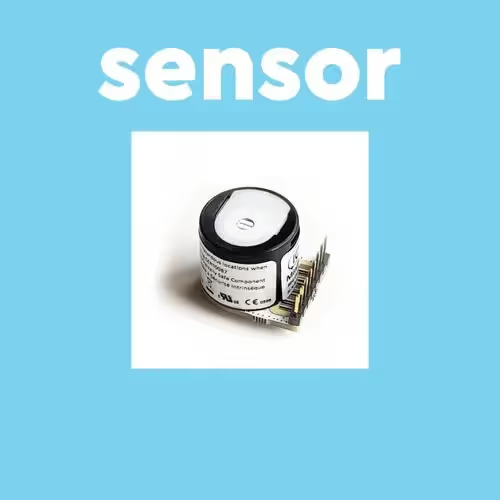
Nitrous oxide is measured using a sensor based on infrared absorption. The sensor's sensitivity can detect even small changes in atmospheric concentration in the range of ±100 µg/m³. There is no cross-sensitivity.
Measuring dinitrogen monoxide (nitrous oxide):
Use the air-Q air analyzer to measure nitrous oxide as well as other gases and pollutants in indoor air in real time. The nitrous oxide sensor can be ordered in the shop.
Articles about Nitrous Oxide
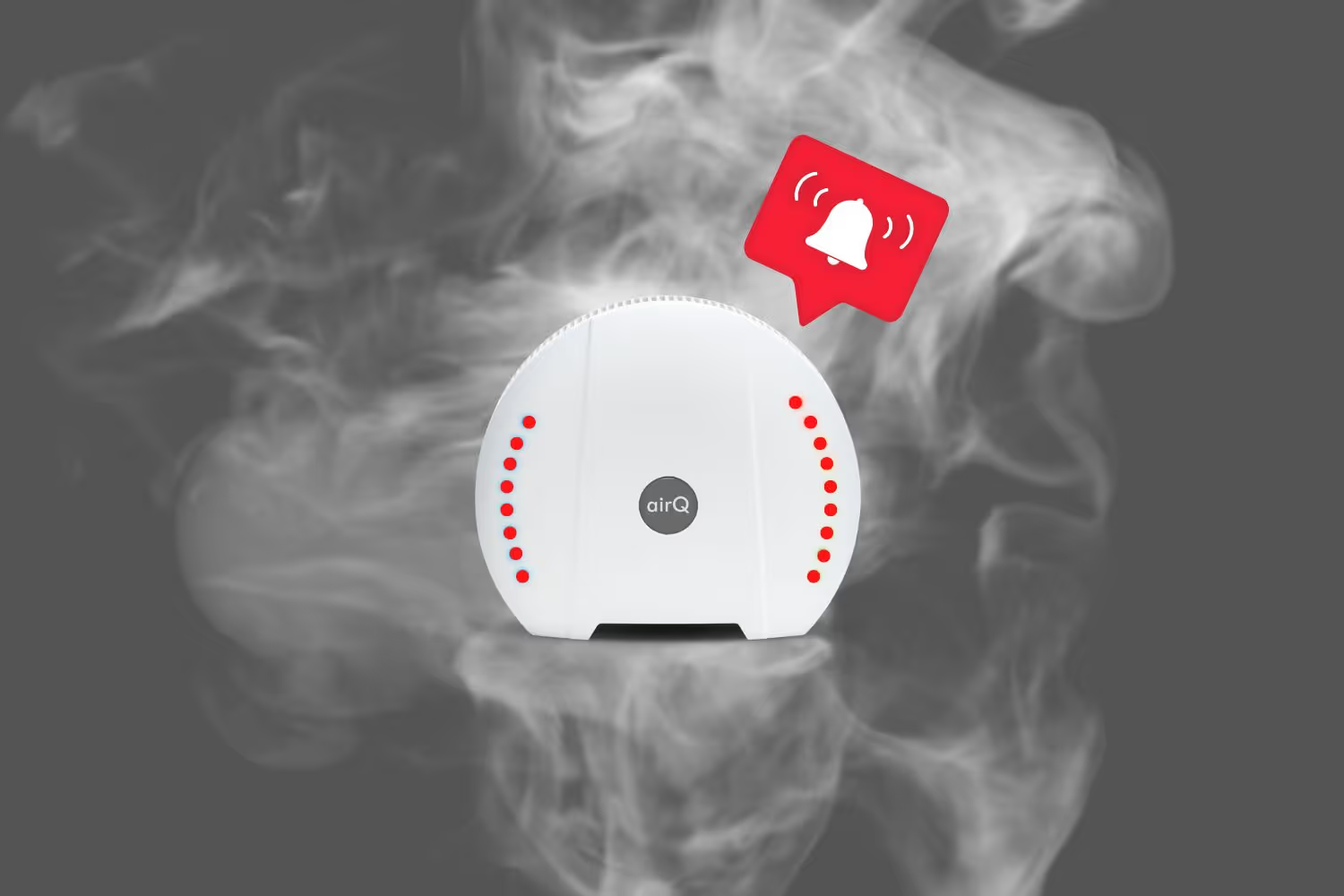
air-Q: Reliable Gas Alarm, Fire Alarm & Smoke Alarm in One Device
Do you cook with a gas stove or heat with natural gas or a fireplace? Then you should monitor your room air, since some gases are highly explosive. The air-Q air monitor can be used as a gas detector and fire detector. Read here how it works, which gases matter, and who the gas detector is recommended for.
Learn more
Air Quality Measurement Technologies: Innovative Techniques, Trends & Future Developments
Precise, comprehensive data collection and evaluation are necessary for an air analysis. We take a closer look at innovative air quality measurement technologies, examine current trends, and outline possible future developments: from sensor-based approaches to advanced AI-powered analysis techniques.
Learn more
Preventing Air Pollution in the Smart Home: Tips & Advice
Indoor air pollution can affect your well-being and health. We track down sources of air pollution in the smart home, give tips for choosing eco-friendly devices, smart ventilation control, and targeted prevention. We also show how you can use connected systems for optimal air quality.
Learn moreCalculators
More measured values / sensors