

Methanethiol / Methyl Mercaptan (CH₄S)
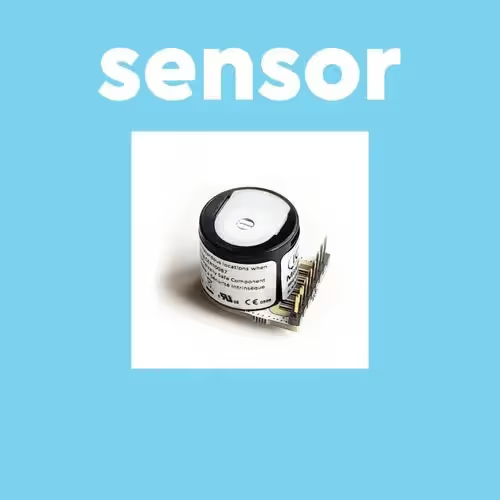
air-Qs with a sensor for Methanethiol / Methyl Mercaptan

Formation:
Formed naturally during anaerobic decomposition of organic matter (e.g. sewage plants, landfills), in the paper/pulp industry, and in natural gas/crude oil processes. Also used as an odorant in natural gas mixtures.
Limit Values:
Legally set depending on country/regulation (e.g. workplace exposure limits/AGW, short-term limits/STEL). Typical ppm ranges can be found in safety data sheets; local regulations are authoritative.
Effects of High Concentrations:
Strongly irritating to eyes/respiratory tract, headaches, nausea; respiratory depression at very high exposure.
Special Notes:
Very low odor threshold, odor fatigue possible; technical monitoring via gas detection technology recommended.
Calculators
More measured values / sensors
Custom Sensor Custom Sensor Infrasound Infrasound H2 Hydrogen VOC Volatile Organic Compounds C4H8S Tetrahydrothiophene T Air Temperature Td Dew Point NO Nitric Oxide NO2 Nitrogen Dioxide SiH4 Silane H2Se Hydrogen Selenide H2S Hydrogen Sulfide SO2 Sulfur Dioxide O2 Oxygen Rn Radon C3H6 Propylene COCl2 Phosgene O3 Ozone PH3 Phosphine CH4S Methanethiol / Methyl Mercaptan CH4 Methane ρ Relative Humidity φ Absolute Humidity p Air Pressure lx Light / Illuminance Lpmax Noise Peak Level Lp Noise N2O Nitrous Oxide (Dinitrogen Monoxide) CO Carbon Monoxide CO2 Carbon Dioxide C4H10 Isobutane PID Industrial VOC Sensor N2H4 Hydrazine CH2O Formaldehyde HF Hydrogen Fluoride F2 Fluorine Particulate Matter Particle Count Particulate Matter Particle Count PM1 – PM2.5 – PM10 Particulate Matter C2H4O Ethylene Oxide C2H6 Ethane B2H6 Diborane ClO2 Chlorine Dioxide Cl2 Chlorine / Chlorine Gas C4H10 Butane HBr Hydrogen Bromide Br2 Bromine HCN Hydrogen Cyanide AsH3 Arsine NH3 Ammonia Alcohols Alcohols