
Our blog covers indoor air and air quality
Our blog is a guide, a reference, and an information source all in one. Here you’ll find well-grounded knowledge, practical tips and current studies about air quality and a healthy indoor climate.

Poor Air in a Child's Room: Causes, Consequences & Measures
Children spend a lot of time in their own room, but the air is often exposed. Particulate matter, VOCs, mold, and radon can affect the airways, immune system, and concentration. With regular ventilation, low-pollutant furniture, and the air-Q, air quality can be effectively improved.
Learn more
Pollen Calendar: Current Pollen Calendar for Allergy Sufferers and How air-Q Can Help
A pollen calendar helps allergy sufferers recognize exposure and plan activities. The air-Q complements it by measuring particles indoors, showing trends, and indicating when ventilating or air filters make sense to ease symptoms.
Learn more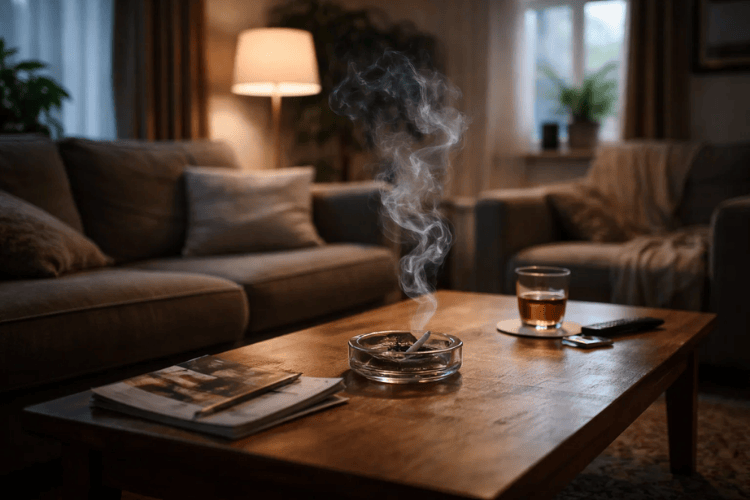
Smoke Eaters: What They Are, Whether They Help, and What Alternatives Exist
Smoke eaters can reduce odors, but they don't solve the problem of harmful particles. With effective smoke avoidance, proper ventilation, and the air-Q air quality monitor, cigarette and fireplace smoke can be reliably detected and room air significantly improved.
Learn more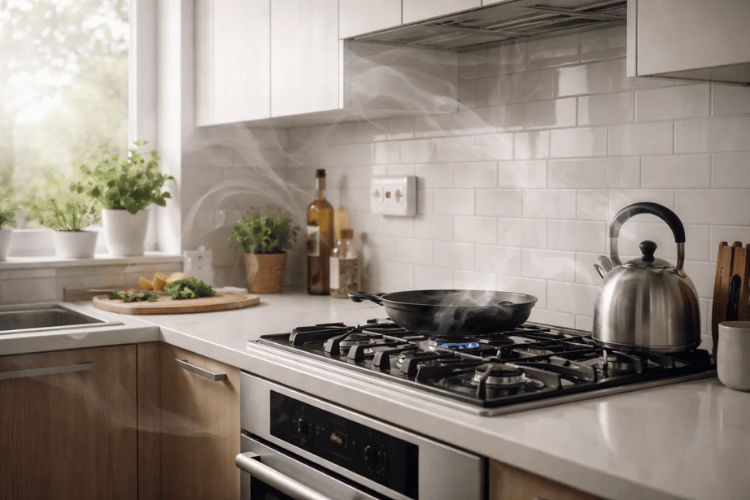
CO Detector: Protection From an Invisible Danger in Your Home
CO is odorless, invisible, and extremely dangerous. With a CO detector like the air-Q, you detect the danger in time, protect your family, and always keep an eye on the air quality in your home.
Learn more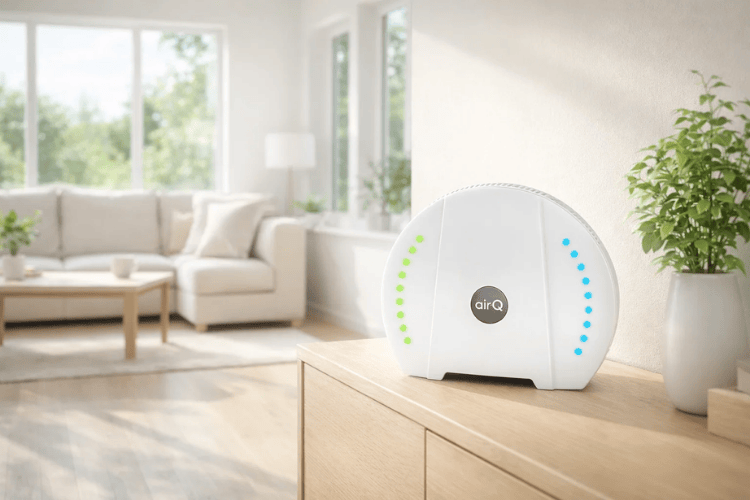
Fresh Air Monitor: Why Fresh Room Air Is Measurable
Why good room air isn't a feeling: what a fresh air monitor measures, why fresh air indoors is crucial, and how the air-Q helps make air quality visible and specifically improve it.
Learn more
Radon: The Invisible Danger in Your Rooms
Radon is an invisible health risk indoors. The radioactive gas can increase the risk of lung cancer, especially with prolonged exposure. Measurement, ventilation, and structural measures help effectively reduce radon concentrations.
Learn more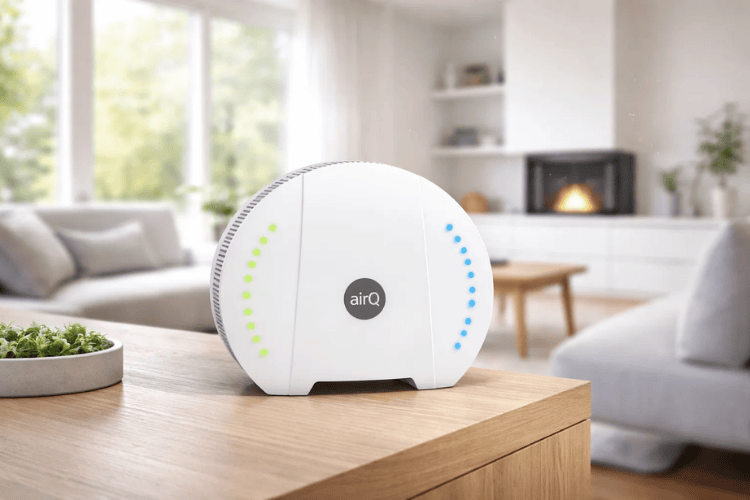
Nitrogen Dioxide Indoors: An Underestimated Toxic Gas
Nitrogen dioxide is an invisible toxic gas that can form indoors from gas stoves, heating, or outdoor air. The focus is on health risks, typical sources, and ways to reliably measure and reduce NO₂.
Learn more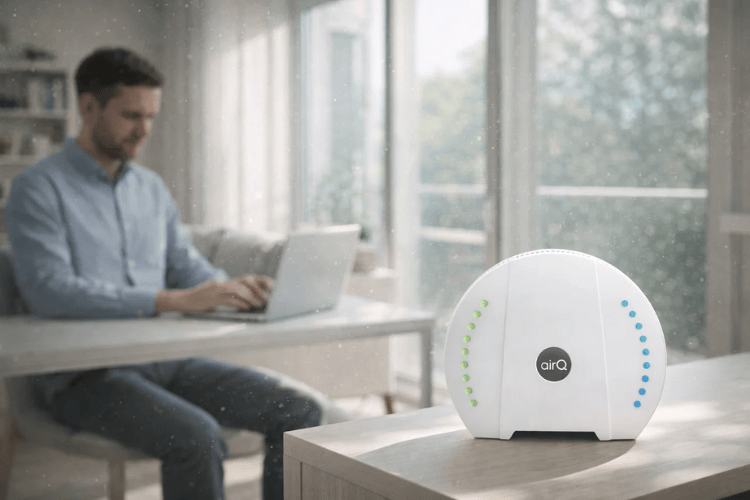
Healthy Room Air: Why Bad Air Happens and What Really Helps
Bad air indoors affects health, concentration, and well-being. With simple measures, room air can be specifically improved by reducing typical causes and minimizing negative effects on body and well-being.
Learn more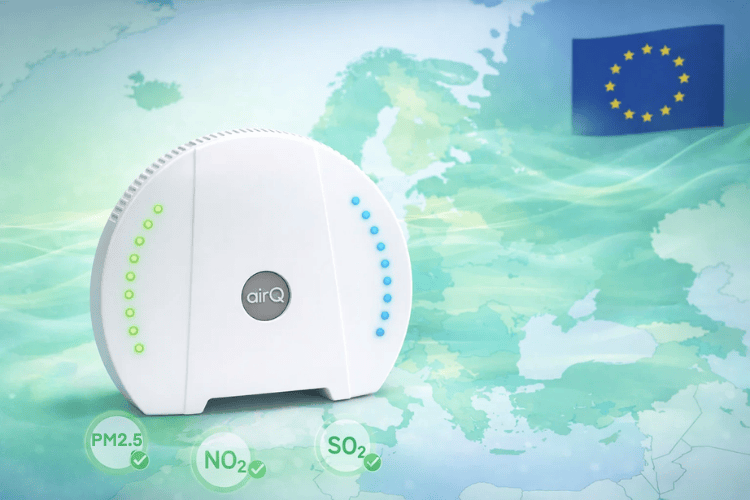
The New EU Air Quality Directive: What the Stricter Limits Mean for Us
The new EU Air Quality Directive sets new standards for our health. With drastically reduced limits for particulate matter and nitrogen oxides, Europe aims to create a pollution-free environment by 2050. Find out in our article what rights citizens now have and why comprehensive air quality monitoring is more important than ever.
Learn more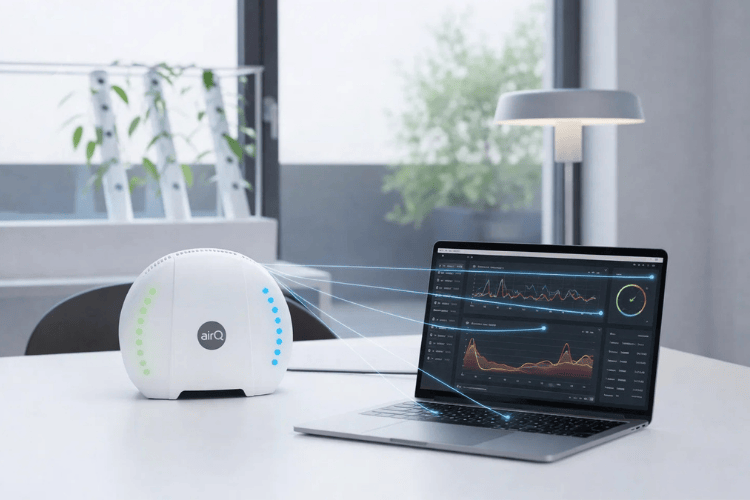
Temperature and Humidity Data Loggers: Why Precise Measurement Is Essential Today
Precise temperature measurement is more than just statistics. Whether for quality assurance in logistics or a healthy indoor climate in the office, a modern temperature and humidity data logger is essential. Find out in our guide what matters when choosing a temperature logger, and how real-time data makes the difference.
Learn more
CO₂ Explained: What It Is, Why It Forms, and How to Keep Indoor Levels Healthy
CO₂ is a key parameter for indoor air quality. It affects our concentration, wellbeing, and sleep, and can even promote the spread of pathogens. At the same time, CO₂ is a natural part of our atmosphere and harmless as long as certain limit values aren't exceeded.
Learn more
Outdoor Air vs. Indoor Air: Which Is Dirtier?
Many people assume the air outside is automatically dirtier than in their own four walls. But often the opposite is true: indoor air is frequently more polluted than outdoor air. Especially in well-insulated homes and offices, pollutants build up quickly without being visible or noticeable by smell.
Learn more