
The New EU Air Quality Directive: What the Stricter Limits Mean for Us
The new EU Air Quality Directive sets new standards for our health. With drastically reduced limits for particulate matter and nitrogen oxides, Europe aims to create a pollution-free environment by 2050. Find out in our article what rights citizens now have and why comprehensive air quality monitoring is more important than ever.
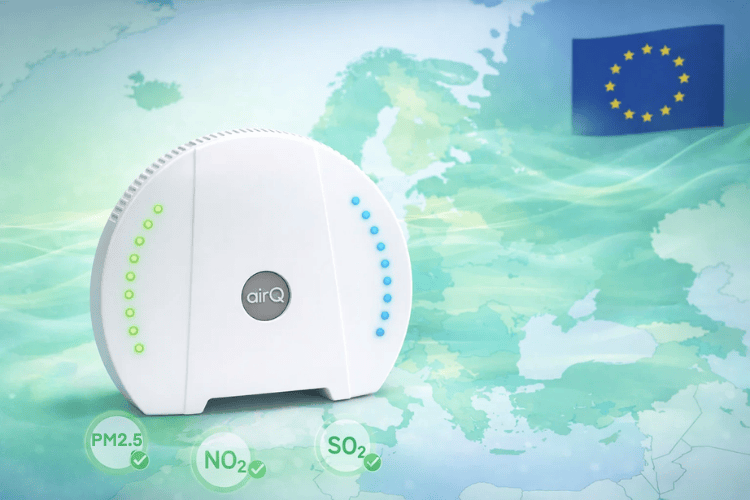
Clean air is a fundamental right, but the reality in European cities looked quite different for a long time. With the adoption of the new EU Air Quality Directive, the European Parliament has ushered in a decisive turning point. The goal is to massively reduce air pollution by 2030 and achieve a "zero pollution vision" by 2050.
But what exactly does the directive say, and why is it so relevant for each of us – from urban planners to homeowners?
The core goals of the EU Air Quality Directive
According to the World Health Organization (WHO), air pollution is considered one of the greatest environmental risks to health. The new Air Quality Directive brings the EU's previous standards much closer in line with the WHO's strict recommendations.
The key changes at a glance:
- Tighter limit values: Especially for particulate matter (PM2.5) and nitrogen dioxide (NO2), the permissible annual average values are being more than halved.
- Right to compensation: Citizens will in future be able to claim damages if their health has demonstrably been harmed by violations of the directive.
- Better monitoring: Member states must increase the number of monitoring stations and make the data more transparent.
Why the tightening is happening now
The previous EU Air Quality Directive largely dated back to 2008. Since then, science has made enormous progress. We now know that even lower concentrations of pollutants can promote chronic diseases such as asthma, cardiovascular disease and even dementia.
Nitrogen dioxides in particular, which are mainly caused by road traffic, and particulate matter from heating and industry, are in focus. The new directive now forces cities to take more radical measures: from low-emission zones to expanding public transport to stricter controls on industrial facilities.
Measurement is the basis for change
A central aspect of the directive is transparency. Only those who know what they're breathing can take action. While state monitoring stations oversee broad compliance with the Air Quality Directive, air quality in "micro-environments" – that is, where we live and work – often remains unknown.
This is where modern sensor technology fills the gap. Professional air analyzers like the air-Q make it possible to check the limit values named in the directive for your own environment in real time. If, for example, the EU lowers the annual limit for PM2.5 from 25 µg/m³ to 10 µg/m³, a precise measuring device helps determine whether exposure in your own office or home already falls below these thresholds.
The role of indoor air
Although the EU Air Quality Directive primarily regulates outdoor air, it has massive implications for indoor spaces. Pollutants from outside enter buildings through ventilation and leaks. At the same time, new pollutants are generated indoors (VOCs, CO2).
Companies now face the challenge of ensuring, as part of occupational health and safety, air quality that meets the new standards. A monitoring system that not only measures nitrogen oxides and particulate matter but also stores this data historically (data logging) is becoming an indispensable safeguard. Anyone relying on intelligent sensor technology today is already prepared for upcoming legal tightening.
A win for quality of life
The new EU Air Quality Directive is ambitious and will present municipalities with major challenges. But the costs of the transition are nothing compared to the health costs saved.
Clean air becomes measurable – and with tools like the air-Q, this measurability is being democratized. It's no longer just about what the official station on the main road says, but about the quality of the air you're breathing right now. Take a look at our use cases, too, where we've shown in various projects how our device can contribute to a healthier life.
Summary and FAQ
What are the key changes in the new EU Air Quality Directive?
From when will the new limit values apply in Europe?
Do I have a right to compensation for poor air quality?
How does the EU directive affect indoor air quality?
How can I determine whether limit values are being met at my home or workplace?
More blog posts
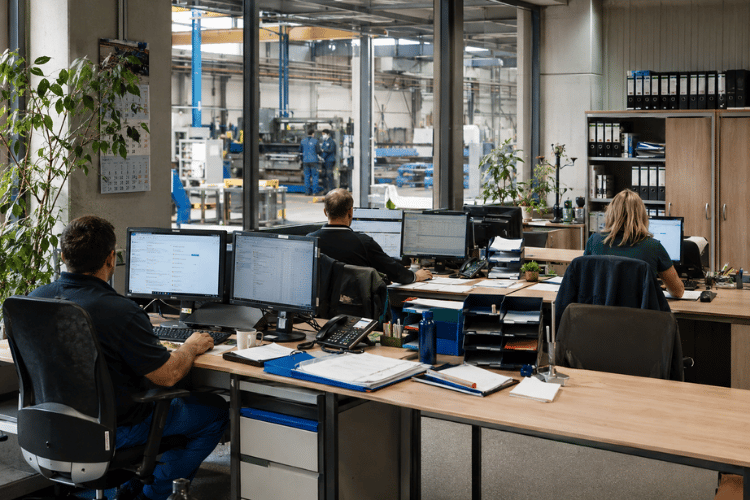
Measuring dust exposure in the workplace: continuous monitoring with air-Q
The air-Q continuously records PM1, PM2.5 and PM10 and makes dust peaks and recurring exposure patterns in the workplace visible.
Learn more
Hydrogen Fluoride: Invisible Danger in Battery Fires and Technical Facilities
Hydrogen fluoride (HF) is a highly dangerous gas that can arise, among other things, from defects or fires in lithium-ion batteries. Learn what health risks exist, what limit values apply, and why continuous monitoring with an HF sensor is important for battery storage, BESS facilities, and industrial applications.
Learn more
These Air Values Are Especially Important in Summer
In summer, not just high temperatures affect the indoor climate. CO₂, humidity, temperature, ozone, particulate matter, and VOC also affect the indoor climate — and why regular measurement makes sense for health, well-being, and performance.
Learn more