
Our blog covers indoor air and air quality
Our blog is a guide, a reference, and an information source all in one. Here you’ll find well-grounded knowledge, practical tips and current studies about air quality and a healthy indoor climate.

New Product: air-Q Sensor for Hydrogen Sulfide (H₂S)
Hydrogen sulfide is colorless, foul-smelling, and highly toxic. On top of that, the gas is also combustible and highly flammable. If you heat with oil or live near landfills, sewage treatment plants, or manure pits, you should check the H₂S concentration in your room air. Our new sensor makes this possible. We introduce our new product.
Learn more
Measuring Particulate Matter: What Radioactive Fallout Has to Do with Fine Dust
Russia recently presented the Kinzhal hypersonic missile, which can potentially be equipped with a nuclear warhead. The USA and other countries likewise regularly conduct missile or even nuclear tests — to demonstrate their destructive potential and thereby deter adversaries.
Learn more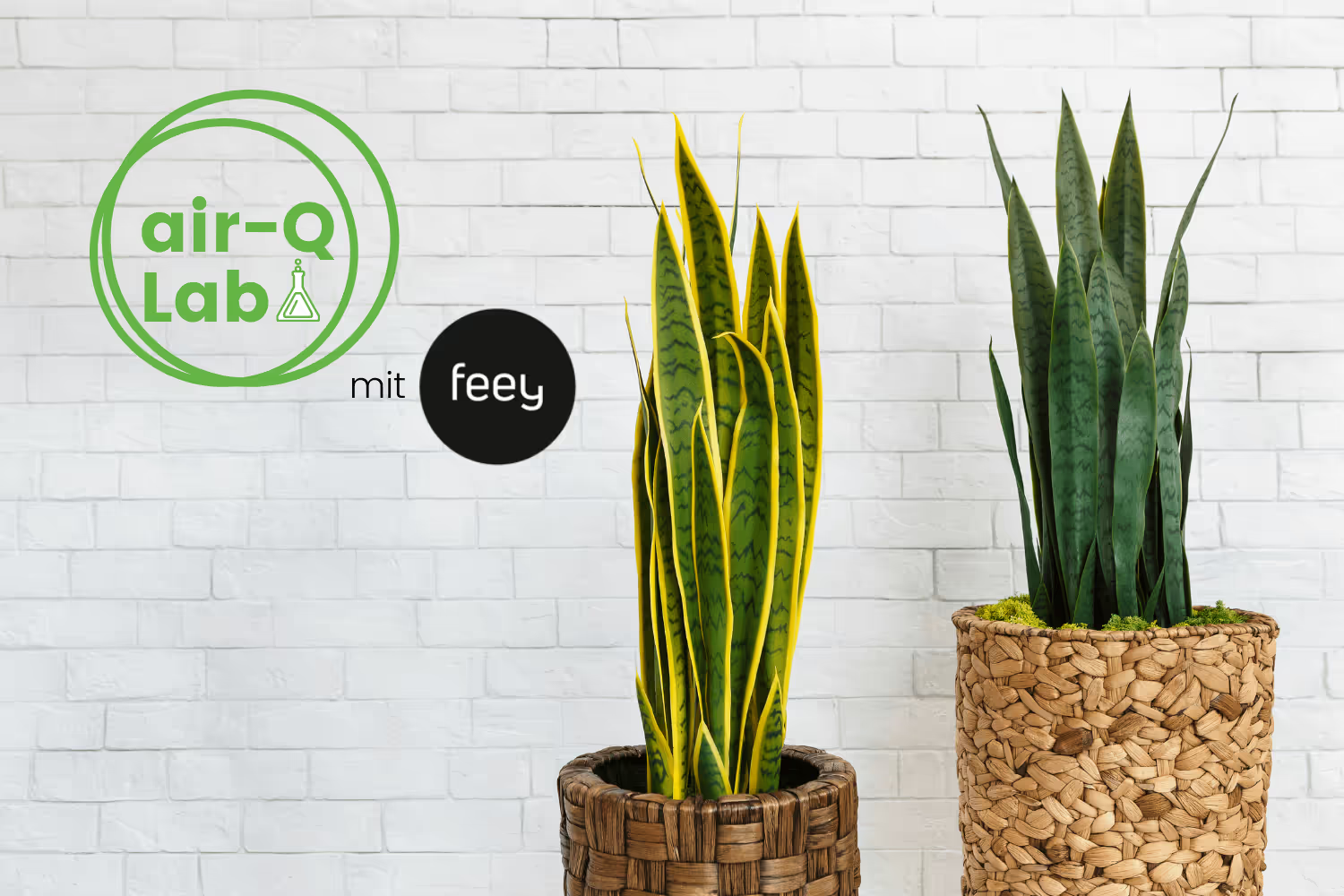
Which Plants Are Suitable for the Bedroom? – The Big air-Q Test!
For good sleep, we also need good indoor air. However, many furnishings emit pollutants, and this affects air quality. Houseplants offer relief through their air-purifying effect. But are they also suitable for the bedroom? We put them to the test and introduce three suitable candidates.
Learn more
Are Acrylic Paints Harmful to Health? – We Test Artist Paints in the air-Q Lab
Acrylic paints are, strictly speaking, plastics and off-gas volatile organic compounds (VOCs) while drying. In our experiment, we investigate whether artist paints are toxic and how they change room air. You'll find our results and a short test video here.
Learn more
How Do Multiple People Affect Indoor Air Quality?
The COVID-19 pandemic made us more aware of air quality. To protect against infectious aerosols, it's important to measure indoor air and ventilate regularly. This is especially important when multiple people gather in a confined space. Our experiment during a party with 10 friends shows how important these measures are.
Learn more
Do Plants Help Improve Air Quality?
Houseplants aren't just decorative — they also improve a room's indoor climate and air quality. They're also credited with an air-purifying and humidifying effect, since they filter pollutants from the air. With the air-Q, we analyzed over 24 hours how plants affect air quality.
Learn more
I Use Gas for Heating or Cooking – Why Do I Need a Gas Detector?
Gas is tricky, since it can leak unnoticed, with devastating consequences. Mixed with ambient air, it quickly forms a highly flammable mix that can trigger an explosion from something as simple as flipping a light switch. A suitable gas detector provides safety here. Read now which gases you should keep an eye on.
Learn more
Noise Poisons the Indoor Climate & Makes You Sick
We modern humans are often exposed to constant noise: from clanging trams to honking cars to radio noise in open-plan offices. With far-reaching health consequences, because we can't switch off our ears. We show how noise affects our body and mind, and which technologies help you track down noise sources.
Learn more
8 Tips to Improve Your Indoor Climate - Without an Expensive Air Purifier
When the air in your own home is stuffy and it's hard to breathe, it takes a toll on body and mind. Difficulty concentrating, headaches, sleep problems, and more are often the result. That's why a pleasant indoor climate is so important. This article offers 8 tips for an optimal indoor climate without an air purifier.
Learn more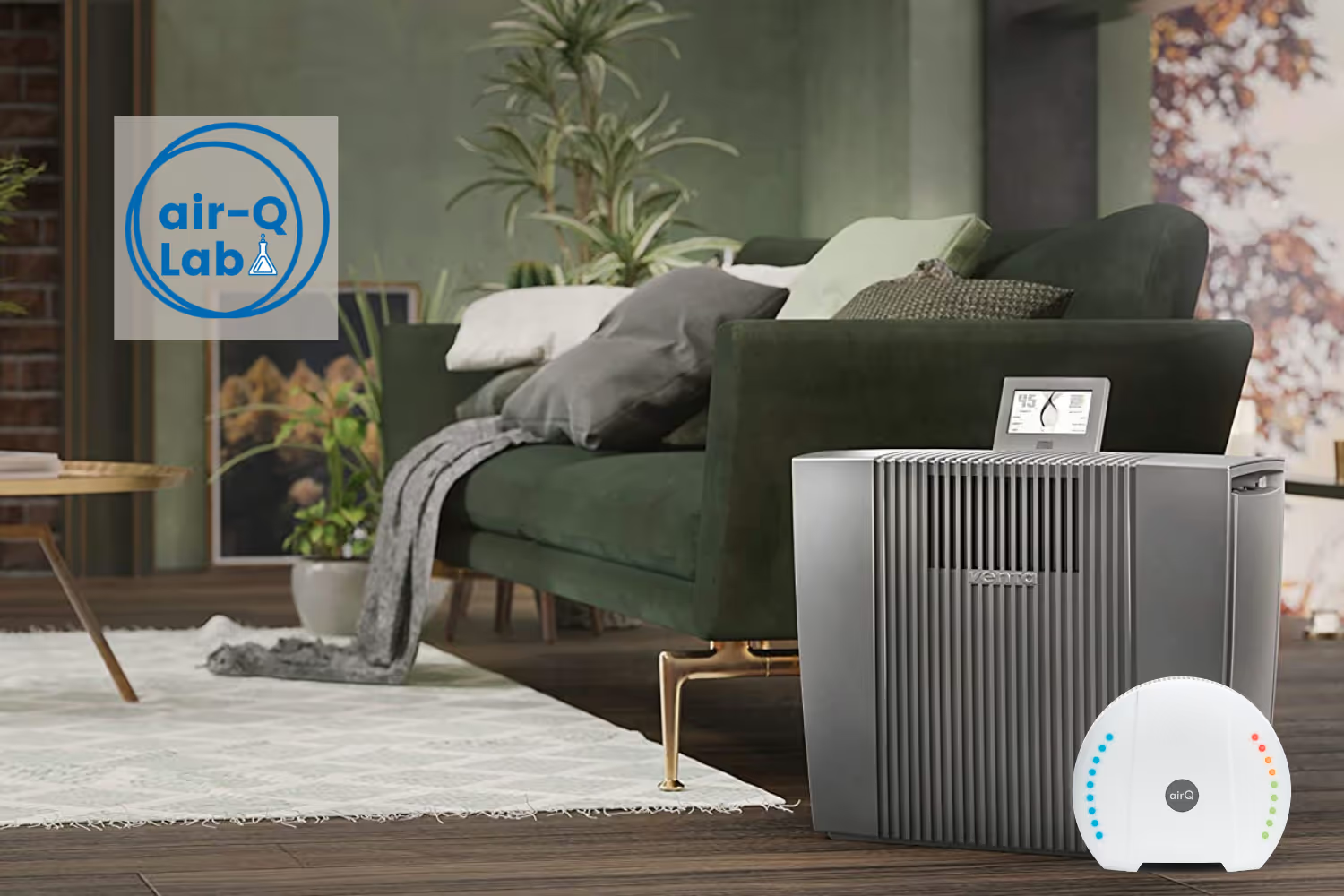
How Well Does the Venta AH902 K Air Purifier Work – The Test in the air-Q Lab
We simply can't live without it: air. But when it comes to air quality, there are big differences. We can't see bad air, but it can still make us sick. To prevent that, there are technical aids known as air filters and air washers. We tested how these work in our air-Q Lab.
Learn more
New Year's Particulate Matter: air-Q Measures Sharply Elevated Levels in Leipzig
Particulate matter concentration on New Year's Eve and New Year's Day has been significantly elevated in Leipzig in recent years, even exceeding limit values. The measurement results show, besides the effects of fireworks on New Year's particulate matter, the influence of wood stoves. We explain the health effects and how you can protect yourself.
Learn more
Christmas Tree Syndrome — Getting Sick Under the Tree
A Christmas tree is part of the holiday. Yet an estimated one-third of Christmas tree owners suffer from allergic symptoms triggered by their tree. Find out now how to recognize and prevent so-called “Christmas tree syndrome.” We also measured the change in air quality caused by a tree and reveal the results.
Learn more