
Our blog covers indoor air and air quality
Our blog is a guide, a reference, and an information source all in one. Here you’ll find well-grounded knowledge, practical tips and current studies about air quality and a healthy indoor climate.
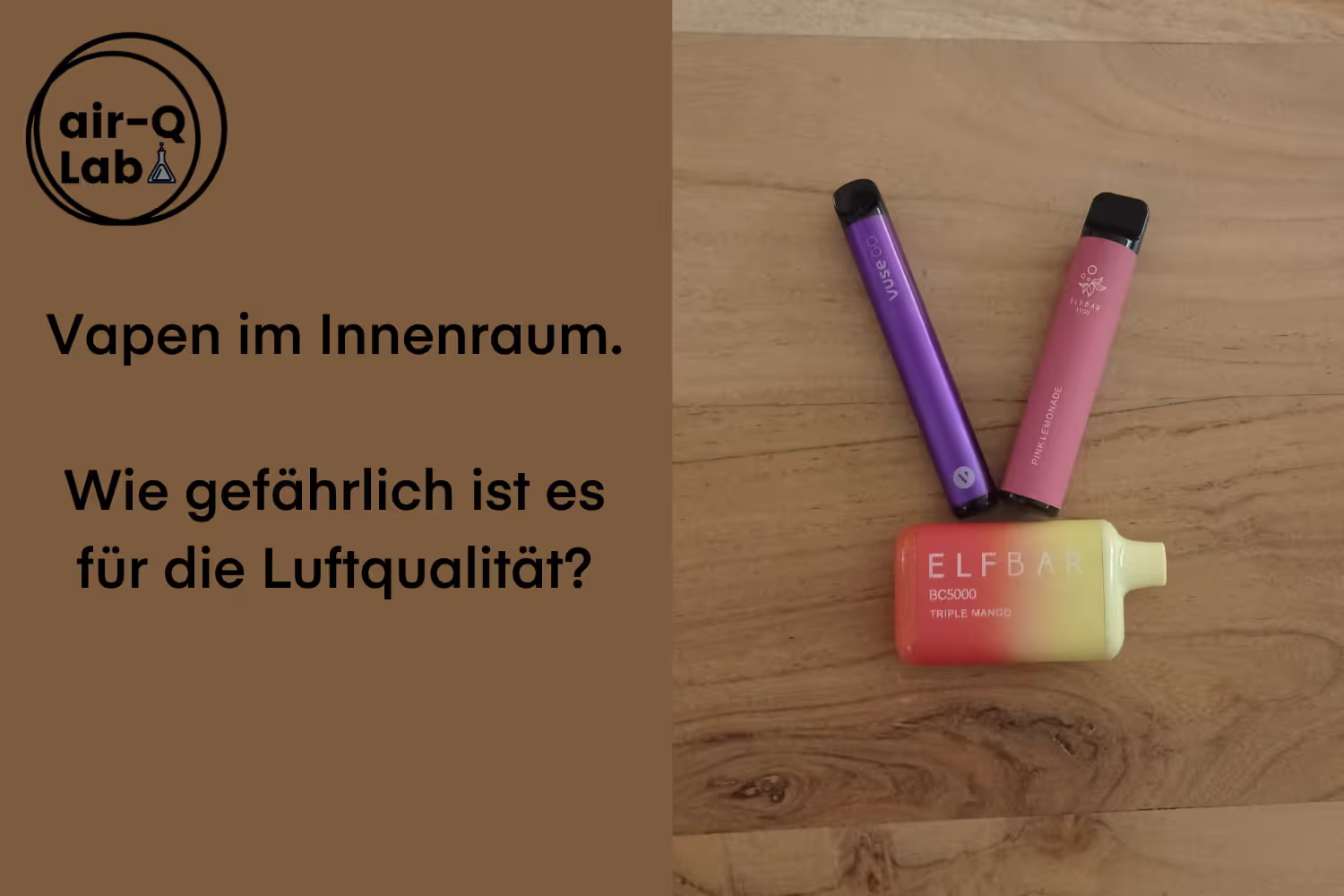
Vaping at Home: How Do E-Shishas Affect Air Quality?
Temperatures are dropping, and it's damp and cold outside. Anyone who used to smoke outside now reaches for an e-shisha from Elf Bar & Co. and vapes indoors instead. After all, vapes don't burn tobacco, they atomize pleasant scents. But how healthy is the vapor really? We measured the effects on air quality with our air-Q air quality monitor.
Learn more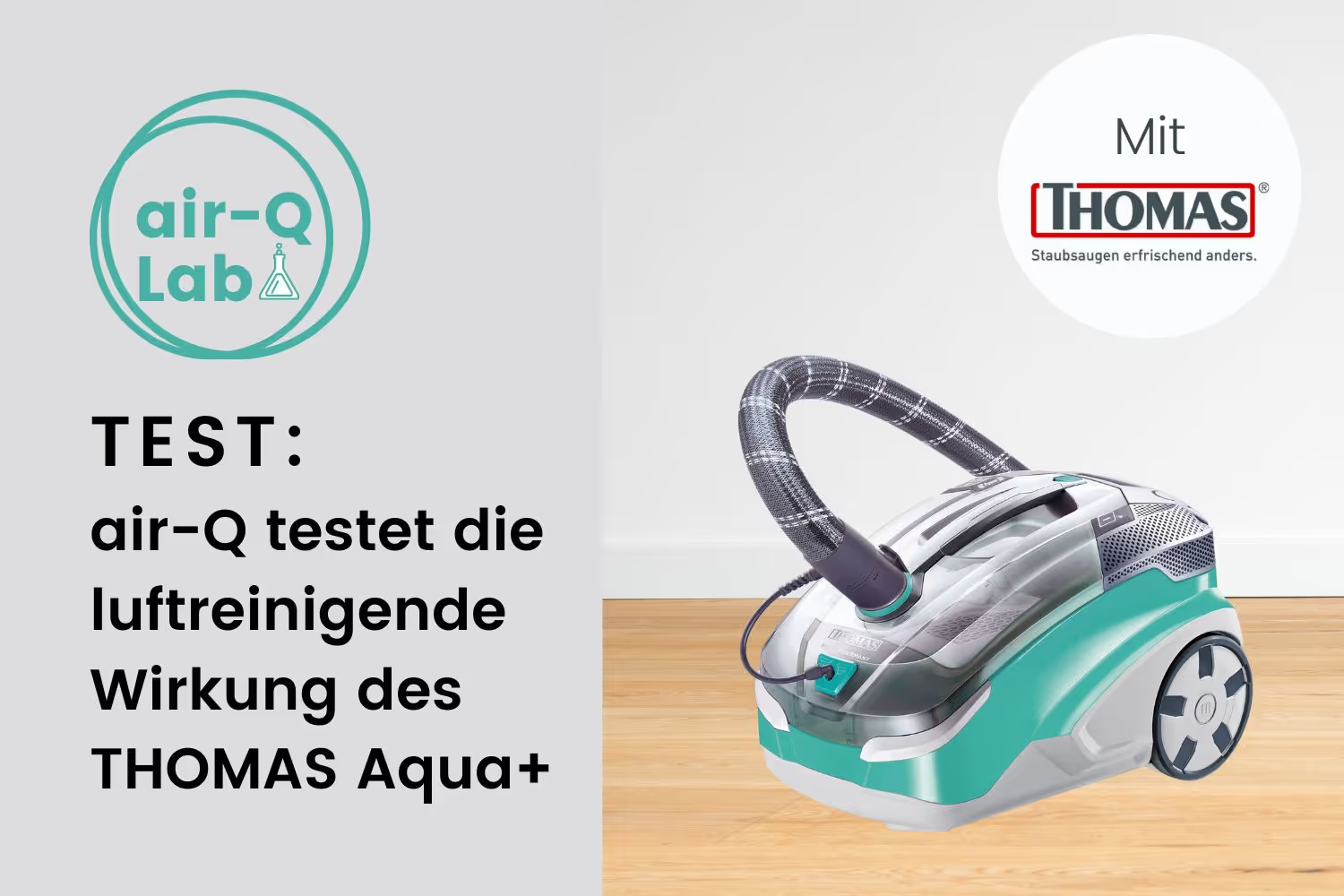
Can a Vacuum Cleaner Improve Air Quality? Testing the THOMAS Aqua+ Multi Clean X10 Parquet
Vacuum cleaners are actually meant for vacuuming dust. Some devices come with high-quality filters and are even said to improve air quality. We checked whether that's true, and how well the THOMAS Aqua+ Multi Clean X10 Parquet vacuum can do that, based on humidity, VOC, and particulate matter readings.
Learn more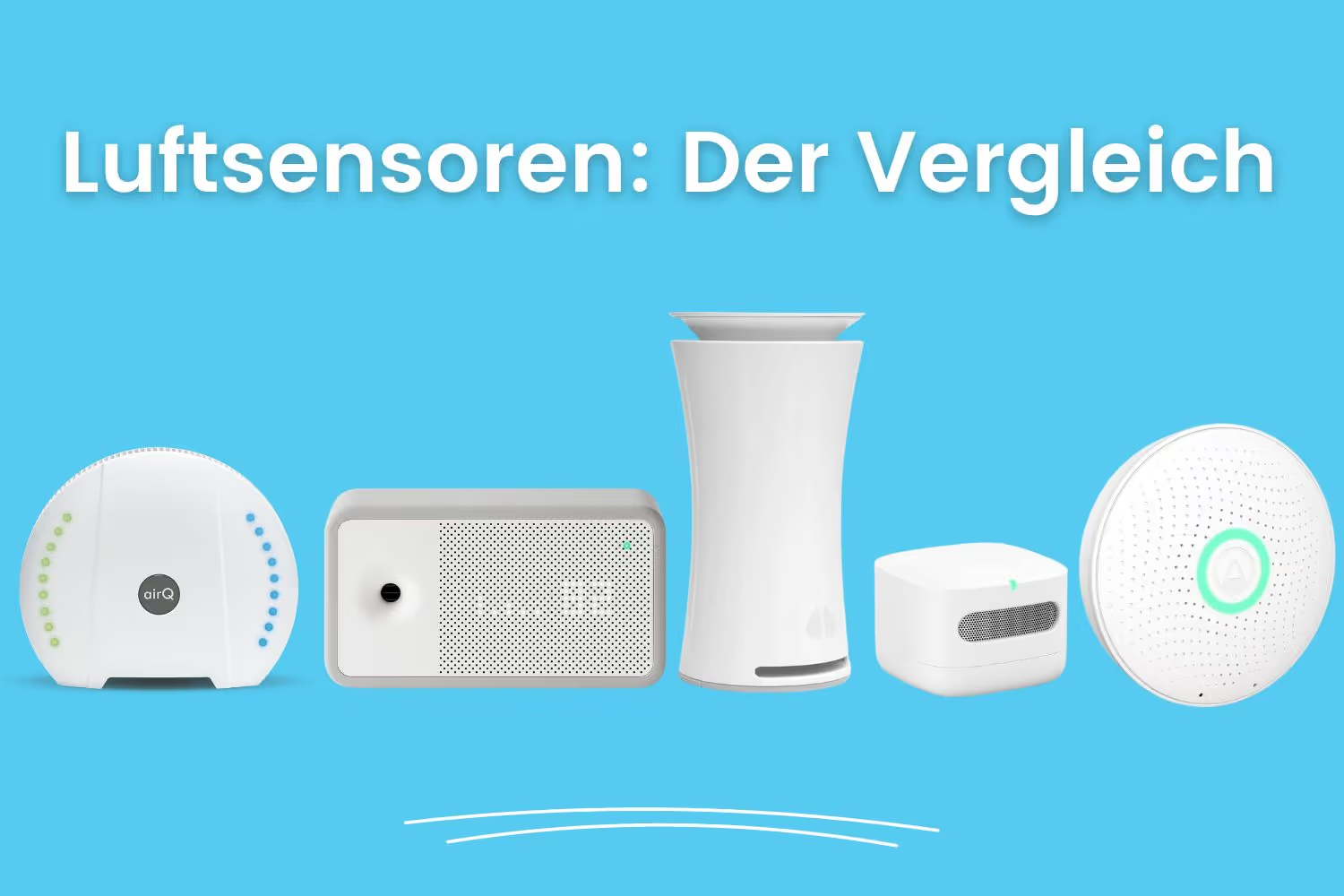
Our Test: Comparing Air Sensors & Air Quality Monitors
Air quality isn't visible, but it's measurable! Since poor air can lead to health complaints, air sensors make sense. But not all air sensors are the same. We compared a small, meaningful selection of monitors against the air-Q. We're not entirely neutral, but we back up the comparison results with facts.
Learn more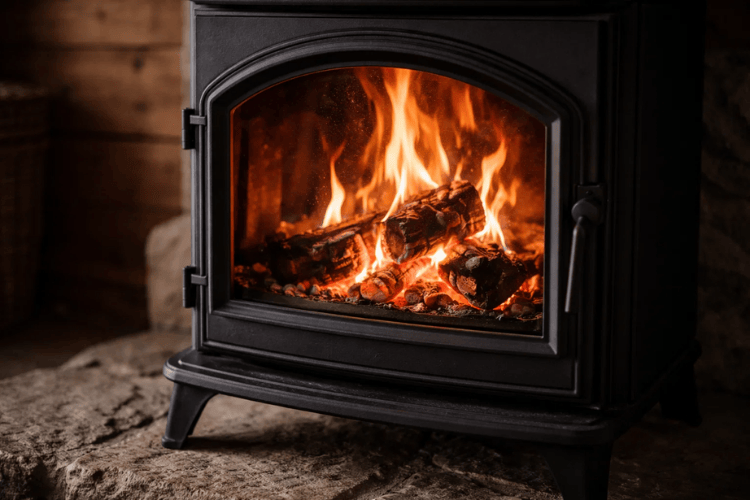
Fireplace – Enjoying the Warmth Safely & Securely
In the cold season, people love lighting up their fireplace. This year especially to save on heating costs and keep utility bills in check. Heating with wood does carry some risks, though, and can pollute the air you breathe. Read here what to watch for and how best to save energy with your fireplace.
Learn more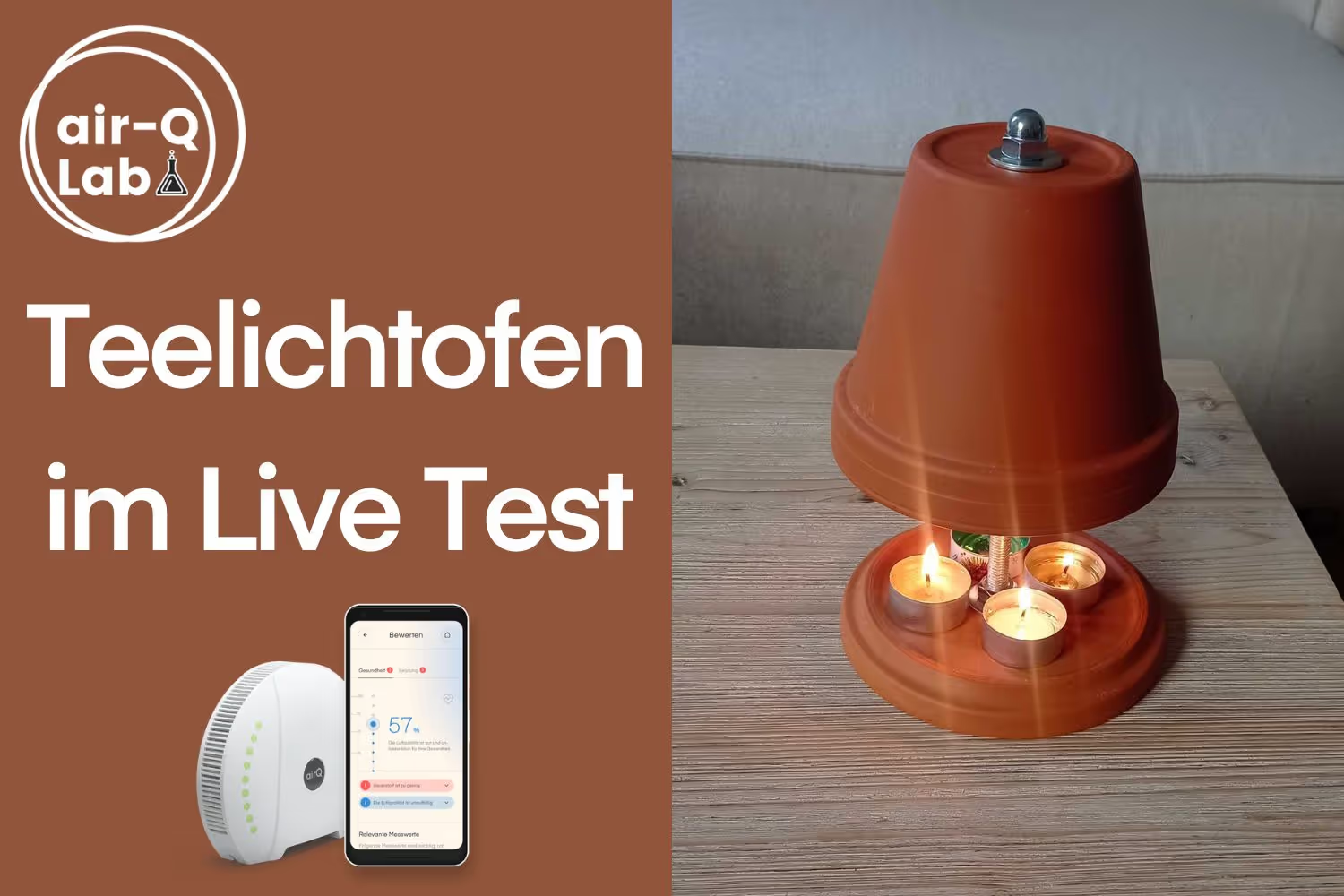
air-Q Lab: How Worthwhile Is a Tea Light Oven? We Measured It!
Heating with a tea light oven – does it really work? We took a close look at these DIY heaters made from flower pots and measured them with our air-Q air monitor. In our hands-on test, we check whether tea light ovens really do warm a 20 m² room, and which other air readings change while the mini oven is running.
Learn more
Is an Air Monitor Like the air-Q Worthwhile in Fall & Winter?
Temperatures are dropping, and given the gas crisis, many are thinking about how to save energy to lower their heating costs. That means keeping the window closed and heat inside rather than ventilating regularly. Is an air monitor like the air-Q worthwhile here, and what benefits does an air analysis offer in fall and winter? We have the answers.
Learn more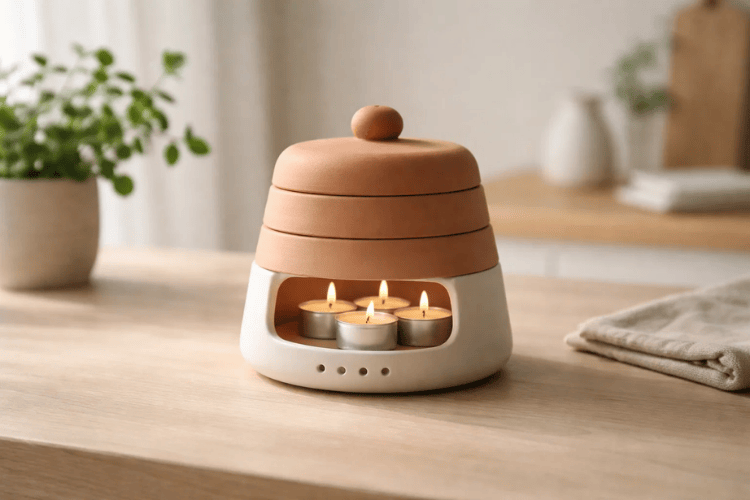
Is a Tea Light Oven Worth It?
Heating is becoming ever more expensive amid the gas crisis. Many people are worried about their upcoming utility bill and are looking for alternatives to save on heating costs. One money-saving trend is the tea light heater. We took a look at how these ovens work, what advantages and disadvantages they have, and whether these small heaters are a healthy alternative.
Learn more
10 Tips: How to Save Gas & Heating Costs This Fall & Winter!
We're in the middle of a gas crisis! Energy costs are exploding and everyone is bracing for the next heating bill or the upcoming gas purchase for their home. We'll tell you how to save gas, reduce your heating costs, and explain what your thermostat setting has to do with it. Discover many previously unknown tips now!
Learn more
Noise Peak Level (Lp_max): Definition, Causes & Effects
Have you ever instinctively covered your ears? Certainly. Sirens, fireworks or traffic noise quickly trigger this protective reflex for the ears. But even indoors, comparatively minor noise exposure can damage your hearing and reduce your wellbeing. We take a detailed look at the noise peak level.
Learn more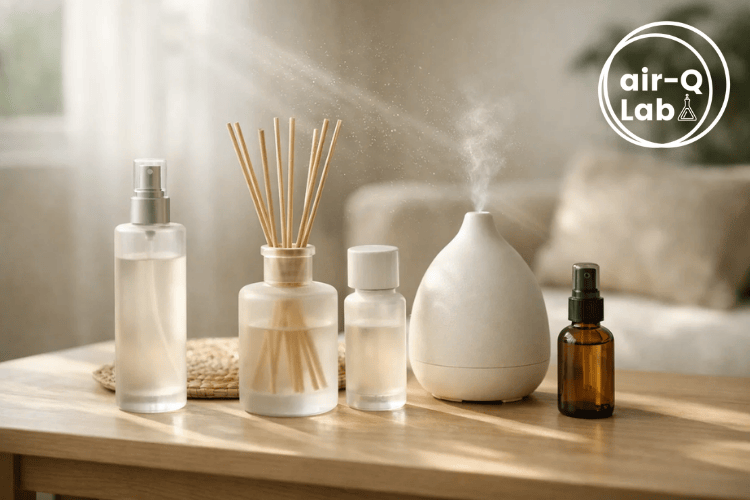
air-Q Lab: Are Room Sprays and Air Fresheners Harmful?
When the air at home feels stale or even smells bad, many people quickly reach for a room spray to fill the air with a fragrant note. But do air fresheners actually improve the air, or are the masking particles questionable at best, hazardous to health at worst? We ran the hands-on test with our air-Q air monitor.
Learn more
Particulate Matter (PM₁ – PM₁₀): Definition, Causes & Effects
You can't necessarily see particulate matter, but you can smell it. It's light and floats in the air. Yet it poses a health risk, because these tiny particles enter our bodies almost unimpeded and attack lung tissue in particular. We introduce this measured value in detail.
Learn more
air-Q Lab: When Do You Really Need to Ventilate?
For a good indoor climate, stale air needs to go out and fresh air needs to come in. But when do you actually need to ventilate? The usual recommendations are often unrealistic: 5 to 10 minutes every two hours. When you should actually open the windows depends on several factors. In our air-Q Lab, we test which readings really matter.
Learn more