
Our blog covers indoor air and air quality
Our blog is a guide, a reference, and an information source all in one. Here you’ll find well-grounded knowledge, practical tips and current studies about air quality and a healthy indoor climate.
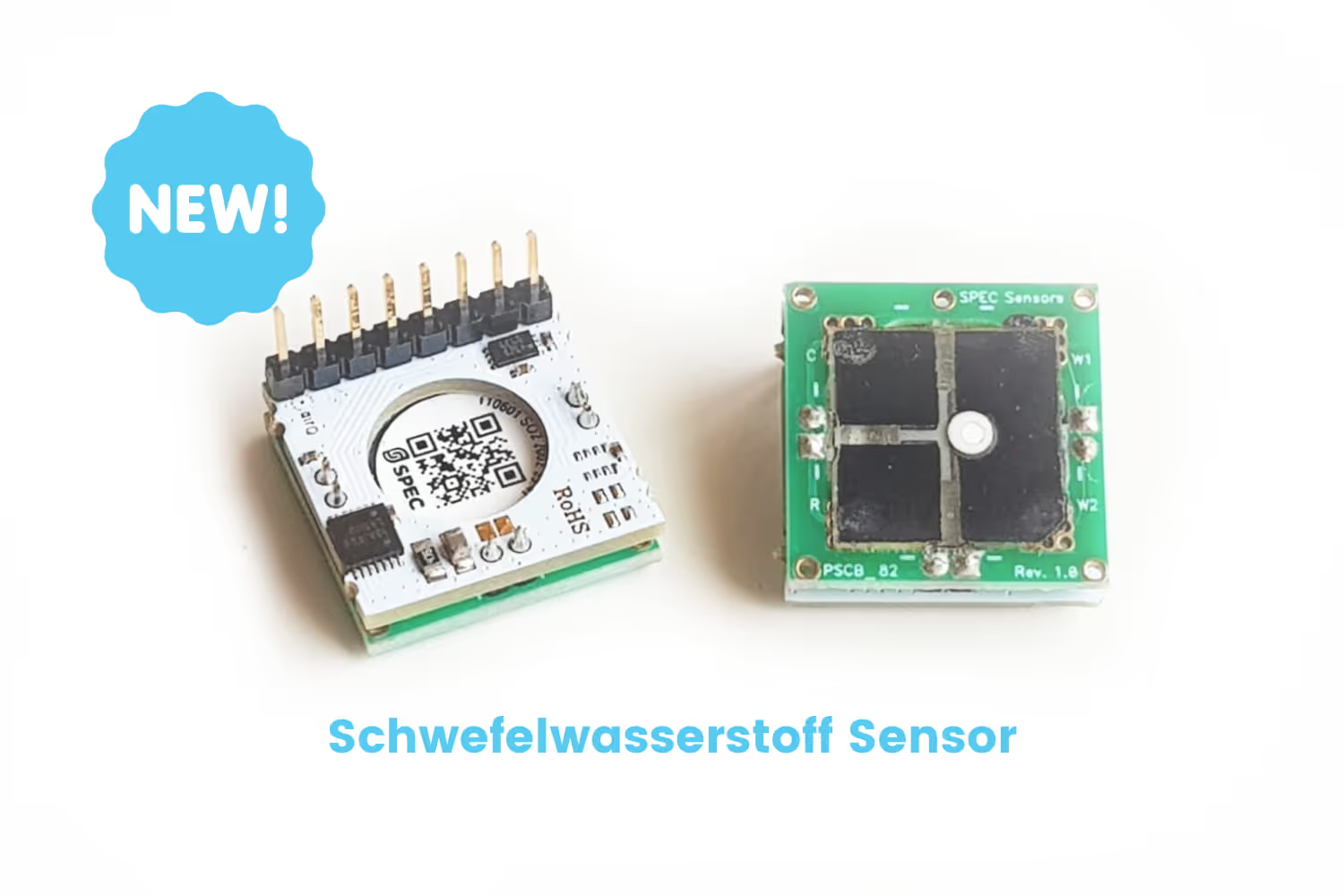
New Product: air-Q Sensor for Hydrogen Sulfide (H₂S)
Hydrogen sulfide is colorless, foul-smelling, and highly toxic. On top of that, the gas is also combustible and highly flammable. If you heat with oil or live near landfills, sewage treatment plants, or manure pits, you should check the H₂S concentration in your room air. Our new sensor makes this possible. We introduce our new product.
Learn more
Measuring Particulate Matter: What Radioactive Fallout Has to Do with Fine Dust
Russia recently presented the Kinzhal hypersonic missile, which can potentially be equipped with a nuclear warhead. The USA and other countries likewise regularly conduct missile or even nuclear tests — to demonstrate their destructive potential and thereby deter adversaries.
Learn more
I Use Gas for Heating or Cooking – Why Do I Need a Gas Detector?
Gas is tricky, since it can leak unnoticed, with devastating consequences. Mixed with ambient air, it quickly forms a highly flammable mix that can trigger an explosion from something as simple as flipping a light switch. A suitable gas detector provides safety here. Read now which gases you should keep an eye on.
Learn more
Noise Poisons the Indoor Climate & Makes You Sick
We modern humans are often exposed to constant noise: from clanging trams to honking cars to radio noise in open-plan offices. With far-reaching health consequences, because we can't switch off our ears. We show how noise affects our body and mind, and which technologies help you track down noise sources.
Learn more
8 Tips to Improve Your Indoor Climate - Without an Expensive Air Purifier
When the air in your own home is stuffy and it's hard to breathe, it takes a toll on body and mind. Difficulty concentrating, headaches, sleep problems, and more are often the result. That's why a pleasant indoor climate is so important. This article offers 8 tips for an optimal indoor climate without an air purifier.
Learn more
Ventilating Correctly: The Best Tips
Stale room air needs to be exchanged so you stay healthy and productive. Just opening a window isn't enough. Because improper ventilation can lower indoor air quality, cause mold, and waste heating energy. We've put together how to ventilate correctly and the most common questions about ventilating.
Learn more
Winter Season = Mold in the Home?
Mold in the home is harmful to health. Often, however, the danger isn't immediately visible to the naked eye. Nevertheless, mold spores in the air negatively affect health and ideally shouldn't be allowed to form in the first place. We explain how you can detect, and even prevent, possible mold infestation based on air components.
Learn more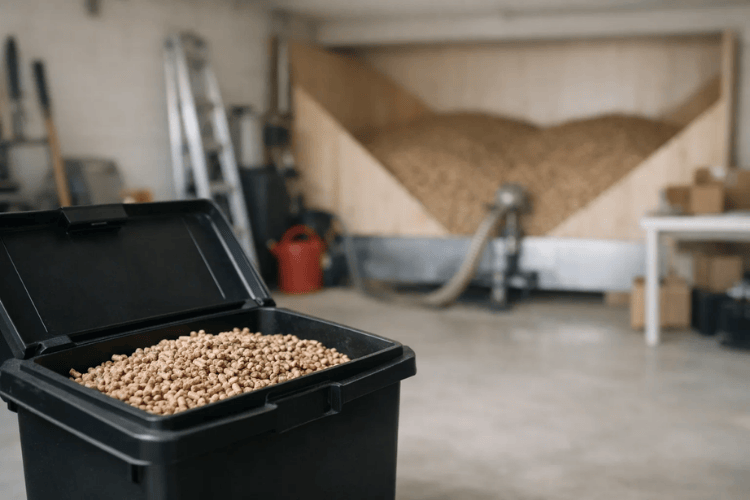
Carbon Monoxide Risk From Pellet Storage?
Heating with pellets is modern and a good alternative to oil. But be careful: the wood pellets can produce an odorless, non-irritating, and thus undetectable, yet deadly gas — carbon monoxide. Anyone who inhales too much of it risks fatal poisoning. Our article shows how to still heat safely with pellets.
Learn more
Poisoning Risk: Three Carbon Monoxide Sources Especially in Summer
Carbon monoxide is a highly toxic gas produced, for example, during combustion processes like in stoves and fireplaces. However, there are also carbon monoxide sources in summer that can become dangerous and pose a risk to people indoors.
Learn more
air-Q Now With Many New Features for Air Quality Monitoring
We're continually working on new features and improvements for the air-Q. The device's hardware still offers plenty of room for this — so there will be many more updates for better air ahead.
Learn more
Wood as a Building Material – Does It Ensure Healthy Air, or Not?
Wood has been used as a building material for thousands of years and is considered especially eco-friendly due to the fact that it's a renewable resource. But what effect does wood have on air quality?
Learn more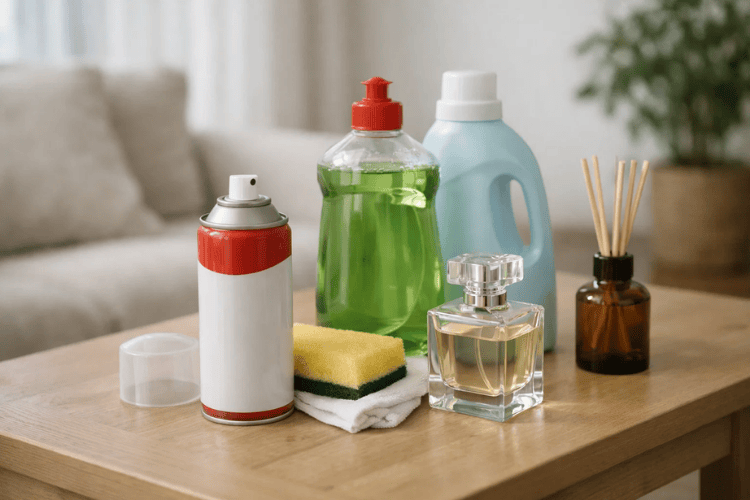
VOC Sources in the Household
It's not always easy to fully grasp everything covered by the term VOCs. This is because many different substances fall under this broad umbrella term, which trace back to a wide range of sources. So what can VOC sources in the household be?
Learn more